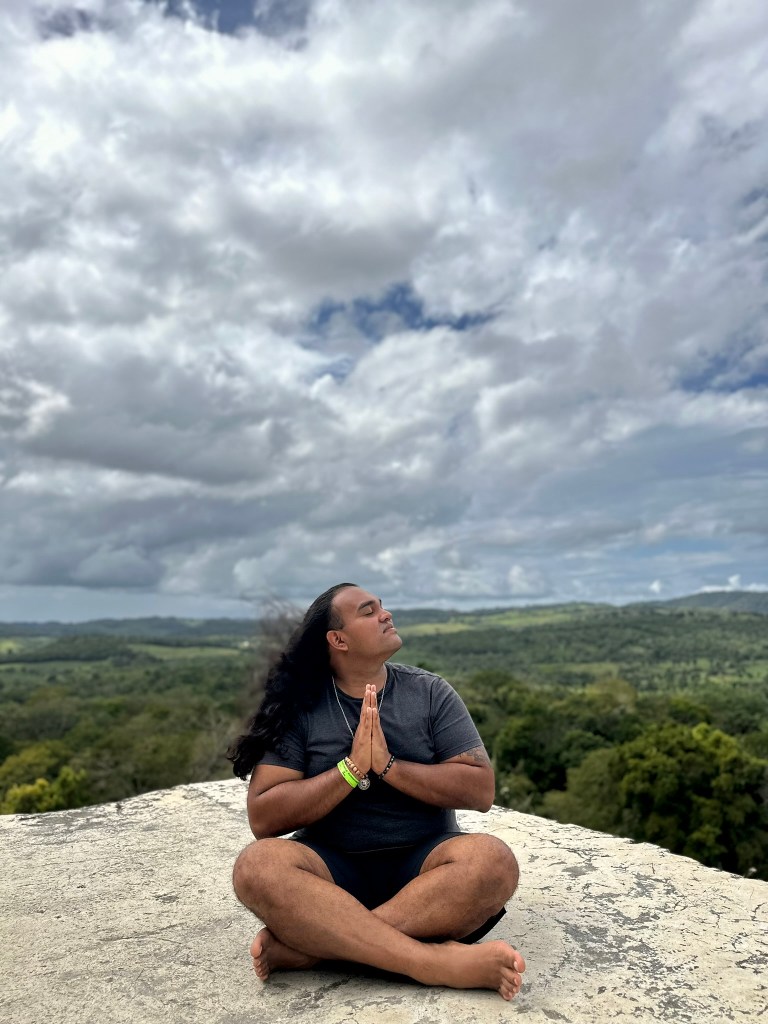
There is a version of this post where I introduce myself, list my credentials, and explain in professional language what I plan to write about here. I am going to skip that version. You can find the bio on the About page. What I want to say first is simpler: I started this site because I kept having the same conversations in too many different rooms. In HR meetings and healing circles, in faculty lounges and kitchen tables, in coaching sessions with executives and late-night calls with people who had finally hit a wall. Everyone kept describing the same thing. They were exhausted in a way that sleep was not fixing. They felt like they were disappearing into their work without the work giving anything back. They had stopped trusting that the cultures they worked in actually cared about them. And they did not have language for what was wrong, only the feeling that something important had been lost. Ancestral Ways is my attempt to offer some of that language, and to sit with the harder questions about why so many of our workplaces leave people feeling that way.
I am a curandero. I am also a career counselor, an executive coach, and someone who has spent years inside higher education and human resources trying to figure out how institutions can do better by the people inside them. Those two parts of my life, the healer and the organizational practitioner, used to feel like they lived in separate rooms. I would move between them carefully, code-switching, deciding what was appropriate to bring into which space. Over time, I stopped doing that. Not because I stopped respecting context, but because I noticed that the separation itself was part of the problem. The same wisdom that guides healing work: attending to root causes, honoring what people carry, understanding that individuals do not exist apart from their communities. That wisdom is exactly what is missing from most conversations about workplace culture and leadership. This site is where I stop separating those rooms.
I want to be clear about what this is not. It is not a wellness blog. I have nothing against wellness, but the wellness industry has a habit of turning structural problems into personal ones, of suggesting that the right meditation practice or morning routine can fix what is actually a broken culture. It is not a consulting pitch either, though I do work with organizations and I will occasionally write about that work. What I am trying to build here is closer to a body of thought, a place where ideas get worked out in public, where I can write honestly about burnout and belonging and leadership and healing without having to package everything into a framework or a keynote or a product. Some of what I write will be practical. Some of it will be more reflective. All of it will be grounded in the belief that the way we work is not separate from the way we live, and that changing one requires paying honest attention to the other.
There is a phrase I return to often, one that has been central to my healing practice and to my work with organizations: La cultura cura. Culture heals. It is a simple idea with complicated implications. Culture can heal, yes. But culture can also harm, quietly and persistently, when it becomes performative or disconnected from genuine care. I have seen both. I have worked inside institutions that had all the right language around belonging and dignity, and still managed to make people feel invisible. I have also seen leaders and teams do the slower, harder work of actually building something better. The difference is rarely about resources or strategy. It is almost always about whether the people in charge are willing to be honest about what is not working, and whether they are willing to do something about it. That question is at the center of most of what I will write here: what does it actually take to build a culture that heals rather than harms?
If you found this site, I am glad you did. Whether you are an HR professional trying to make sense of what is happening inside your organization, a leader who suspects there has to be a better way, or someone who is simply burned out and looking for a different kind of conversation, you are welcome here. I do not have all the answers. But I have spent a long time sitting with these questions, in ceremony and in conference rooms, and I think there is something worth saying. I will keep saying it here.
Justin Tomas Gomez is a curandero and Belizean traditional healer based in Las Vegas, Nevada. He writes about healing, culture, and what it means to build more human workplaces.
 Ancestral Ways
Leave a comment